How to Get Clean, Long-Lasting Results the First Time
The most common mistakes during vinyl siding installation are poor prep work, nailing panels too tight, skipping flashing, and ignoring expansion gaps. These errors can lead to warped panels, loose siding, and water damage. If you plan to install new siding, knowing what not to do can save you money and stress later.
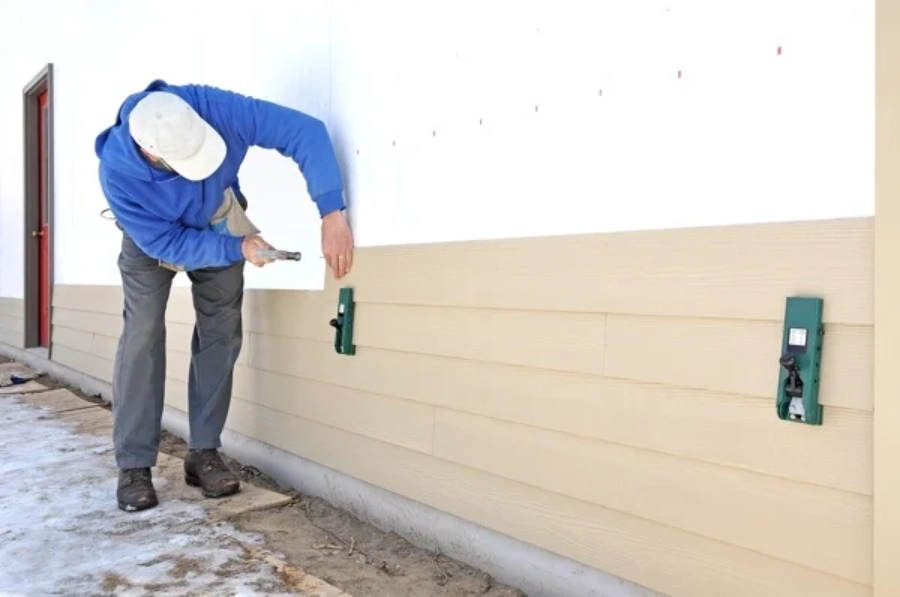
Why Prevention Matters
Vinyl siding installation is not just about making a house look nice. It protects the walls from rain, wind, and heat. When installed the wrong way, moisture can get behind the panels. That can cause mold, rot, and damage to framing.
Small mistakes at the start can turn into big problems in a few months. Fixing hidden water damage costs far more than doing the job right the first time. That is why avoiding common errors matters so much.
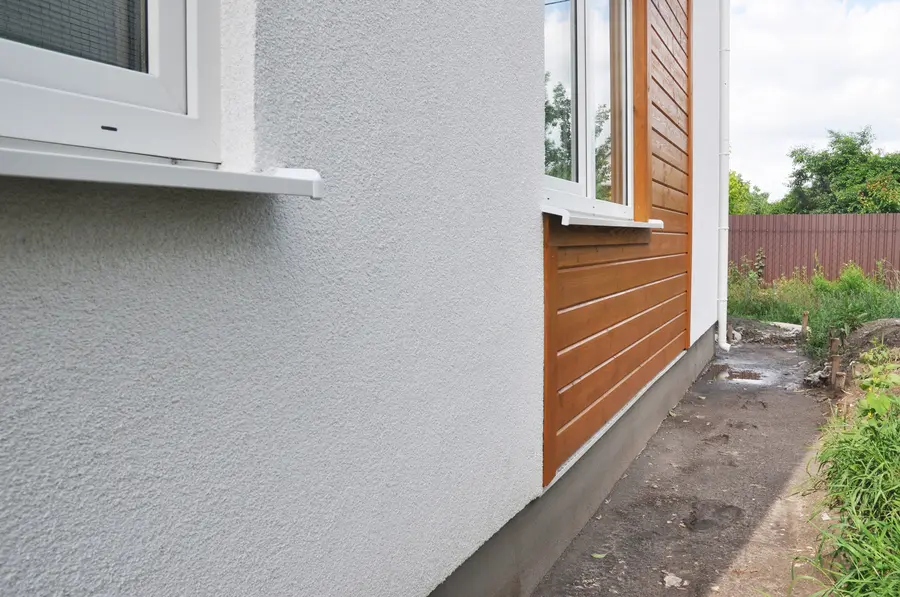
Early Warning Signs of Installation Problems
After vinyl siding installation, keep an eye out for signs that something is wrong. Catching issues early makes repairs easier.
- Panels look wavy or uneven.
- Siding rattles in strong wind.
- Gaps appear between panels.
- Water stains show up inside walls.
- Nails are popping out of the siding.
If you see any of these signs, the siding may not have been installed correctly.
Routine Checklist Before and During Installation
A simple checklist helps prevent most vinyl siding installation mistakes.
- Inspect and repair the wall surface.
- Install a weather-resistant barrier.
- Add proper flashing around windows and doors.
- Leave space for panel expansion.
- Use the correct nails and nail placement.
- Keep rows level using a chalk line.
Each step builds on the one before it. Skipping even one can lead to trouble later.
Best Practices for Long-Term Results
Always start with a flat, solid surface. Damaged sheathing must be replaced before adding siding. If the wall is not flat, the siding will show every dip and bump.
Use corrosion-resistant nails. Place nails in the center of the nailing slot. Do not drive them in tight. Panels need room to move as temperatures change. Vinyl expands in heat and contracts in cold weather.
Measure carefully around doors, windows, and corners. Cut panels cleanly and double-check gaps. A little extra time during vinyl siding installation leads to smoother results and longer life.
What Not to Do
Many problems happen because people rush or treat siding like other materials.
- Do not nail panels tightly against the wall.
- Do not skip flashing around openings.
- Do not install siding over rotting wood.
- Do not ignore manufacturer guidelines.
- Do not mix different brands without checking fit.
One major mistake is thinking tighter is better. Tight nails stop natural movement. This causes buckling and cracking. Another common error is lining up seams without staggering them. That creates weak spots and looks uneven.
It is also a mistake to install siding in extreme cold without care. Panels can crack more easily. In very hot weather, panels may expand before being nailed, which can cause shrinking gaps later.
When to Schedule Professional Help
Some homeowners feel confident handling vinyl siding installation on their own. That can work for small sheds or simple walls. Larger homes are different. Multiple stories, complex roof lines, and many windows raise the risk of leaks.
If you notice structural damage, soft wall areas, or past water problems, it is smart to call a professional. The same goes for homes with special trim details or unique designs. A trained crew knows how to handle tricky cuts and proper sealing.
Professional installers also carry the right tools. They use levels, snap locks, and cutting tools that create clean lines. This leads to better results and fewer repairs down the road.
Get Help Before Small Mistakes Turn Into Big Repairs
If you are planning vinyl siding installation in Chatham, NJ, getting expert help can protect your home for years. At MT Chatham Roofing and Siding, we handle every step with care and focus on long-term results. Call (862) 267-7322 to schedule a consultation and let us help you avoid costly mistakes while improving your home’s exterior.