A Simple Guide to Common Siding Materials and How They Are Fixed
Siding comes in several main types, and each one has its own repair needs. The most common materials are vinyl, wood, fiber cement, metal, and engineered wood. Some cracks are easy to patch. Other damage calls for full panel replacement. Knowing the difference helps you decide if a quick fix will work or if you need professional siding repair.
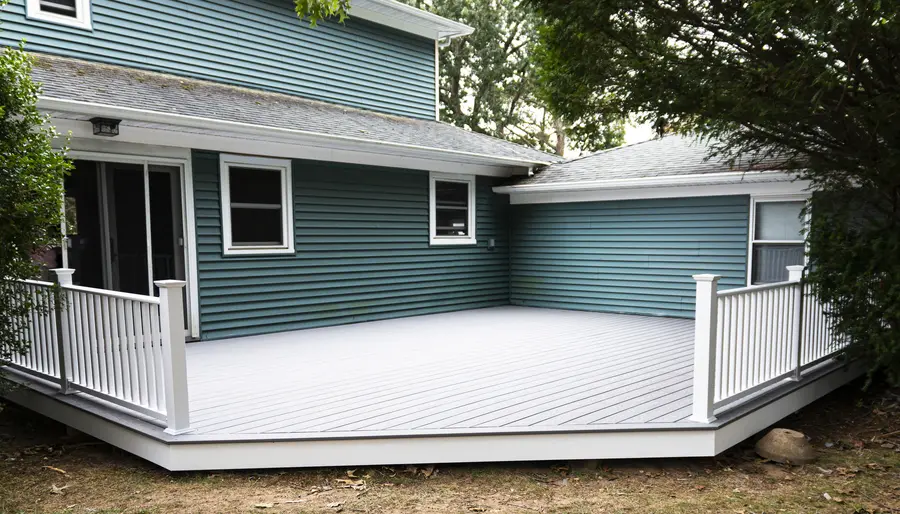
Quick overview of common siding types
Each siding material protects your home in a different way. It also reacts to weather, age, and impact in its own way.
- Vinyl siding: Lightweight, low upkeep, can crack in cold weather.
- Wood siding: Classic look, but can rot, split, or attract pests.
- Fiber cement siding: Strong and fire-resistant, may crack or chip.
- Metal siding: Durable, but can dent or rust.
- Engineered wood siding: Made to resist moisture, but may swell if damaged.
Each type may need a different siding repair method. Using the wrong fix can make the damage worse.
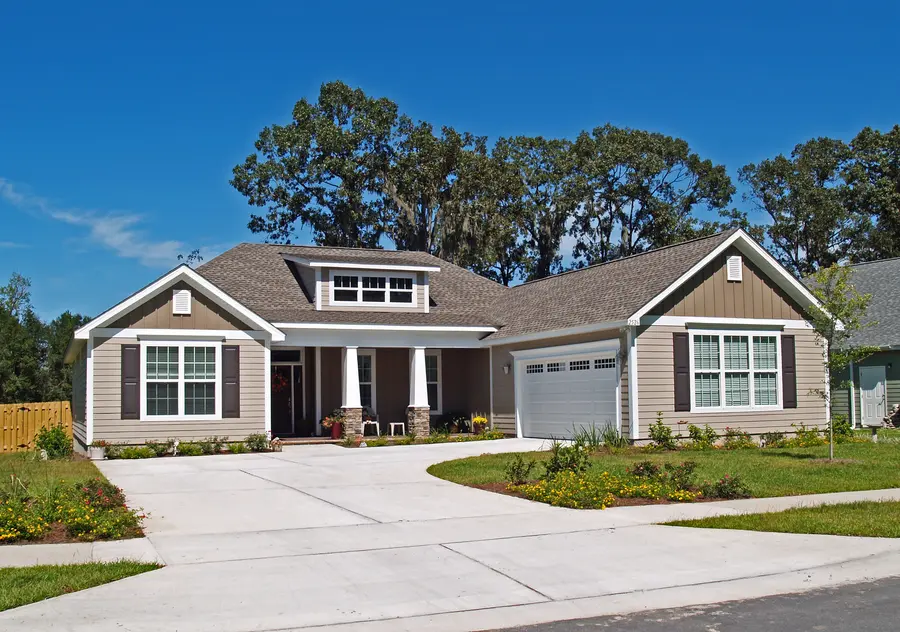
Vinyl siding repair basics
Vinyl is one of the most common choices in residential and exterior services. It is affordable and easy to install. Still, it can crack after a storm or from a stray baseball.
Small holes can sometimes be patched with color-matched vinyl caulk. Cracked or broken panels usually need to be replaced. The good news is that vinyl panels lock together. A damaged section can be unzipped and swapped out without removing the whole wall.
A common mistake is nailing panels too tight during repair. Vinyl needs room to expand and shrink with heat changes. If it is too tight, it can warp.
Wood siding repair needs
Wood siding gives homes a warm, natural look. But it needs regular care. Paint and sealant protect it from water. When that layer fails, problems start.
Common wood siding damage includes:
- Rot at the bottom edges
- Soft spots from water damage
- Cracks and splits from sun exposure
- Termite or pest damage
Small areas of rot can be cut out and filled with wood filler or epoxy. Larger sections often need board replacement. After any siding repair on wood, priming and painting are key. Skipping this step can lead to more moisture damage.
Fiber cement siding repair explained
Fiber cement siding is strong and built to last. It resists fire, bugs, and most weather. Even so, it can crack from impact or poor installation.
Hairline cracks may be sealed with approved caulk and touch-up paint. Larger cracks usually require panel replacement. Matching the color and texture matters. If not, the repaired area may stand out.
This material is heavier than vinyl. Cutting and handling it takes special tools. In many cases, professional siding repair is safer and faster.
Metal siding repair tips
Metal siding, often aluminum or steel, holds up well against fire and pests. It is common on older homes and some modern designs.
Dents are a frequent issue. Minor dents may be pulled out or filled and repainted. Rust is a bigger problem. Small rust spots can be sanded, primed, and painted. Large rusted sections may need full panel replacement.
It is important to stop rust early. Once it spreads behind the panel, the structure underneath may also suffer damage.
How to decide between repair and replacement
Homeowners often ask if they should repair a section or replace all the siding. The answer depends on a few factors:
- Age of the siding
- Extent of the damage
- Matching availability
- Budget and long-term plans
If damage is small and isolated, siding repair is usually enough. If panels are brittle, faded, or failing in many spots, full replacement may make more sense.
Common mistakes to avoid
Many problems start with simple errors. Watch out for these issues:
- Ignoring small cracks until water gets inside
- Using the wrong type of fasteners
- Skipping sealant around joints and trim
- Trying to patch large structural damage with filler
Water is the biggest threat behind siding. Once moisture gets in, it can lead to mold, rot, and insulation damage. Quick action saves money over time.
When to call for professional help
Some repairs are simple. Others are best left to trained crews. If panels are high off the ground, if damage affects a large area, or if moisture has reached the wall behind the siding, it is time to call for help.
A trained team can inspect the full exterior, find hidden damage, and recommend the right fix. Quality siding repair protects your home’s value and keeps it looking clean and strong.
Get help with your siding needs
If you are dealing with cracks, rot, or storm damage in Chatham, NJ, our team is ready to help. At MT Chatham Roofing and Siding, we handle all types of siding repair and work with vinyl, wood, fiber cement, metal, and more. Call us at (862) 267-7322 to schedule an inspection and let us protect your home with repairs that last.